



Why school trips sit at the heart of meaningful enrichment
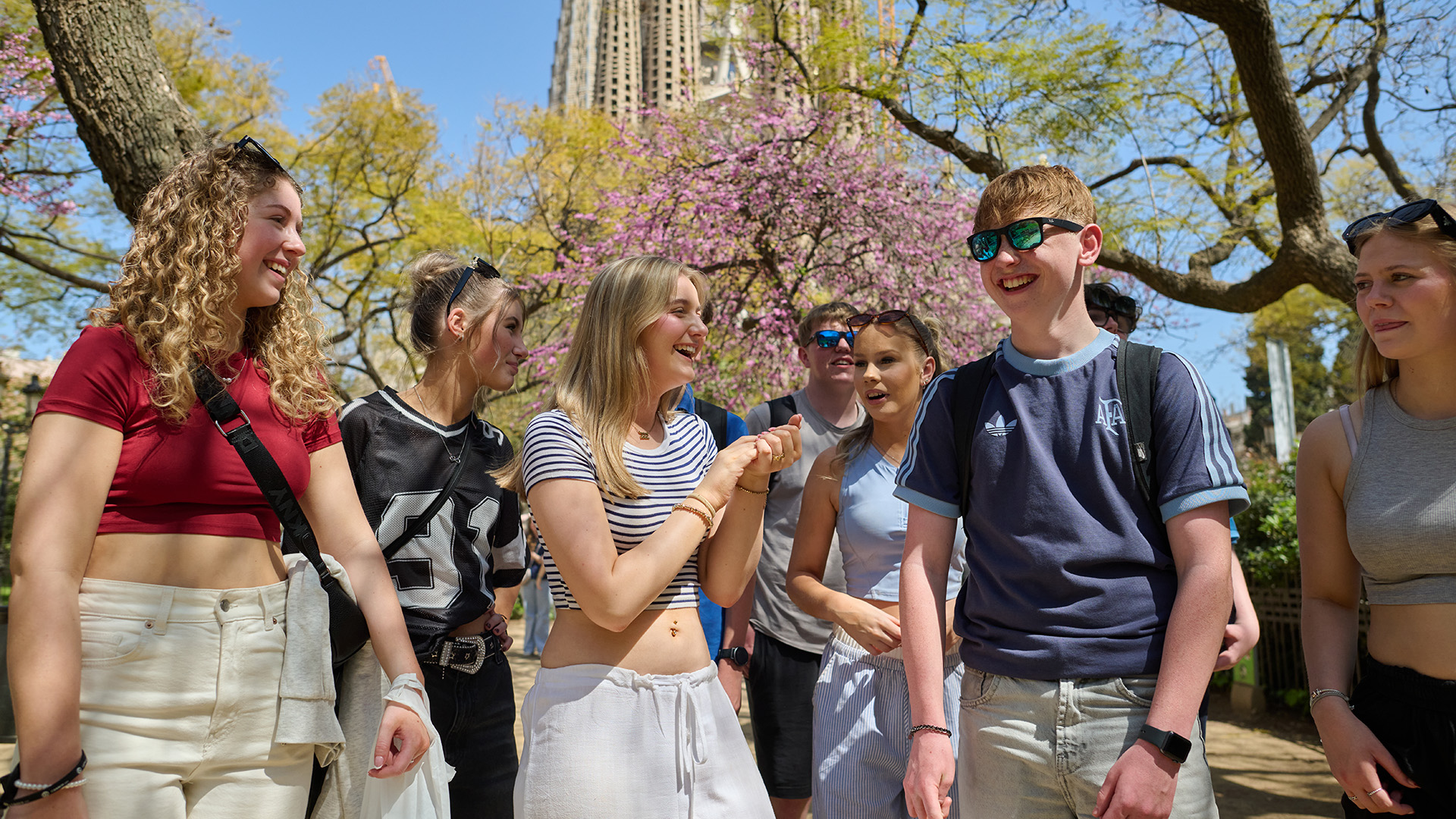
A defining moment for enrichment in schools
From the start of the 2026/27 school year, the government's Enrichment Framework places greater emphasis on the experiences and opportunities schools provide beyond the classroom.
The aim is simple: helping young people develop wider life skills, build cultural capital and experience the people, places and perspectives that shape their understanding of the world.
In recent years, school trips may have been perceived as a ‘nice-to-have' addition to learning rather than a fundamental part of it. But as schools consider what meaningful enrichment looks like in practice, educational travel is uniquely placed to support many of the ambitions set out in the framework.
At NST, we see it every day. A student who suddenly understands a topic because they've experienced it for themselves. A new destination that sparks a lifelong interest. A moment of independence that builds confidence. A talk from an industry expert that opens their eyes to future opportunities.
These are the moments when the penny drops. The moments that spark new ambitions and help young people see the world differently. Years later, they're often the experiences people still remember and talk about.
That's because the best trips don't just support learning. They help students experience something new. A different culture. A new perspective. New possibilities.
That's why, we believe that educational travel sits at the heart of meaningful enrichment.
The five categories of enrichment
The Enrichment Framework identifies five key areas that together help create a broad and well-rounded education:
- Civic Engagement: Helping young people develop cultural understanding, social awareness and a stronger connection to the wider world.
- Arts & Culture: Providing access to museums, galleries, theatres, heritage sites and cultural institutions that broaden experience and build cultural capital.
- Nature, Outdoor & Adventure: Encouraging curiosity, exploration and a greater appreciation of the natural world.
- Sport & Physical Activity: Supporting physical wellbeing, resilience, teamwork and personal challenge.
- Wider Life & Future Skills: Developing the communication, collaboration, critical thinking and creativity that support future success.
Educational travel can support every area of enrichment, helping schools create meaningful experiences that students remember long after they've returned to the classroom.
So, let's take a closer look at how school trips can support each of the five areas.
1: Civic Engagement
Building global citizens through real-world experiences
Civic engagement is about helping young people understand their place in the wider world. Some of the most valuable travel experiences happen when students connect with people beyond their own community.
Whether performing to a local audience, experiencing a different culture, or exploring the communities that shape a destination, these experiences help students understand not just where they fit in, but how they can contribute.
Example trips
- European & worldwide tours – Helping students engage with different cultures, traditions and communities first-hand.
- Language immersion experiences – Our dedicated French and Spanish immersion itineraries give students the opportunity to experience language and culture in authentic real-world settings.
- Music school tours – Performance opportunities in schools, churches and community venues help students connect with local communities through the shared experience of music.
2: Arts & Culture
Bringing creativity and culture to life
Not every student has access to world-class museums, galleries, theatres and cultural landmarks in their local area. Educational travel helps open those doors.
Whether it's exploring a gallery in Paris, experiencing a West End performance or walking through a city shaped by centuries of history, these experiences give students access to places, people and stories they may never otherwise encounter.
And it's often these experiences that help students realise culture isn't something they simply learn about. It's something they can be part of.
Example trips
- Art & design trips – Explore galleries, museums and creative spaces.
- English, drama & performing arts trips – Experience literature, theatre and performance first-hand.
- Culture & enrichment trips – Experience different cultures, traditions and ways of life.
- Iconic arts & culture destinations – From Paris and Barcelona to New York and London, these destinations give students access to the museums, galleries, theatres and landmarks they've only ever heard or read about.
3: Nature, Outdoor & Adventure
Time away from screens. Time to explore.
In a world that's increasingly lived online, some of the most valuable enrichment experiences happen outdoors.
Whether exploring Iceland's dramatic landscapes, investigating natural environments or seeing sustainability initiatives in action, educational travel gives students the opportunity to experience the world first-hand.
These experiences help students see the world differently while developing a greater appreciation of the natural environments that shape it.
Example trips
- Iceland – Discover dramatic landscapes, geothermal activity and sustainability in action.
- Geography trips – Bringing the natural and human world closer through real-world exploration.
- Sustainability-focused itineraries – Explore environmental challenges and solutions through real-world experiences.
4: Sport & Physical Activity
More than just sport
Not every student will join a sports club. Not every student will see themselves as sporty. But enrichment is about giving young people opportunities to try new things.
For some, that might be the first time they step onto a ski slope. For others, it may simply be discovering the confidence that comes from learning a completely new skill.
These experiences aren't just about physical activity. They're about participation, challenge and giving students the confidence to try something new.
Example trips
- Ski Trips – Combining physical activity, personal challenge and unforgettable experiences in the mountains.
5: Wider Life & Future Skills
Connecting learning to the future
One of the biggest challenges for teachers is helping students answer a simple question: "When will I ever use this?"
Educational travel helps make that connection.
Whether it's hearing from industry experts at a LIVE! Student Conference, standing where history happened or experiencing a subject beyond the classroom, these experiences help students see how their learning connects to the wider world.
They bring context to the curriculum, inspire future ambitions, and help students develop the communication, collaboration, critical thinking and creative skills they'll use long after they've left school.
Example trips
- LIVE! student conferences – Skills Builder Level 2 accredited experiences designed to develop essential life and employability skills through inspiring speakers and real-world insights.
- Curriculum-linked school trips – Helping students experience classroom learning in a real-world context.
- Exam board-endorsed itineraries – NST's endorsed History and Geography itineraries are designed to link directly to Edexcel’s exam specifications to deepen subject understanding.
Schools don't have to do it alone
Most teachers don't need convincing of the value of enrichment. They just need the time and support to make it happen.
Recognising this, the Enrichment Framework places real value on schools working alongside trusted external partners.
At NST, we've spent almost 60 years helping schools create unforgettable travel experiences. Not just by organising trips, but by supporting teachers every step of the way, from planning and risk assessments to parent communications and travel logistics.
Because the most important part of any school trip should be the experience itself, not the paperwork behind it.
Helping your enrichment plans take flight
Whether you're looking to strengthen your enrichment offer, widen participation or create opportunities that help students see the world differently, educational travel has a crucial role to play.
And when you're ready to start planning, we're here to support you.