



Safety on the slopes: Tips for safe ski school trips
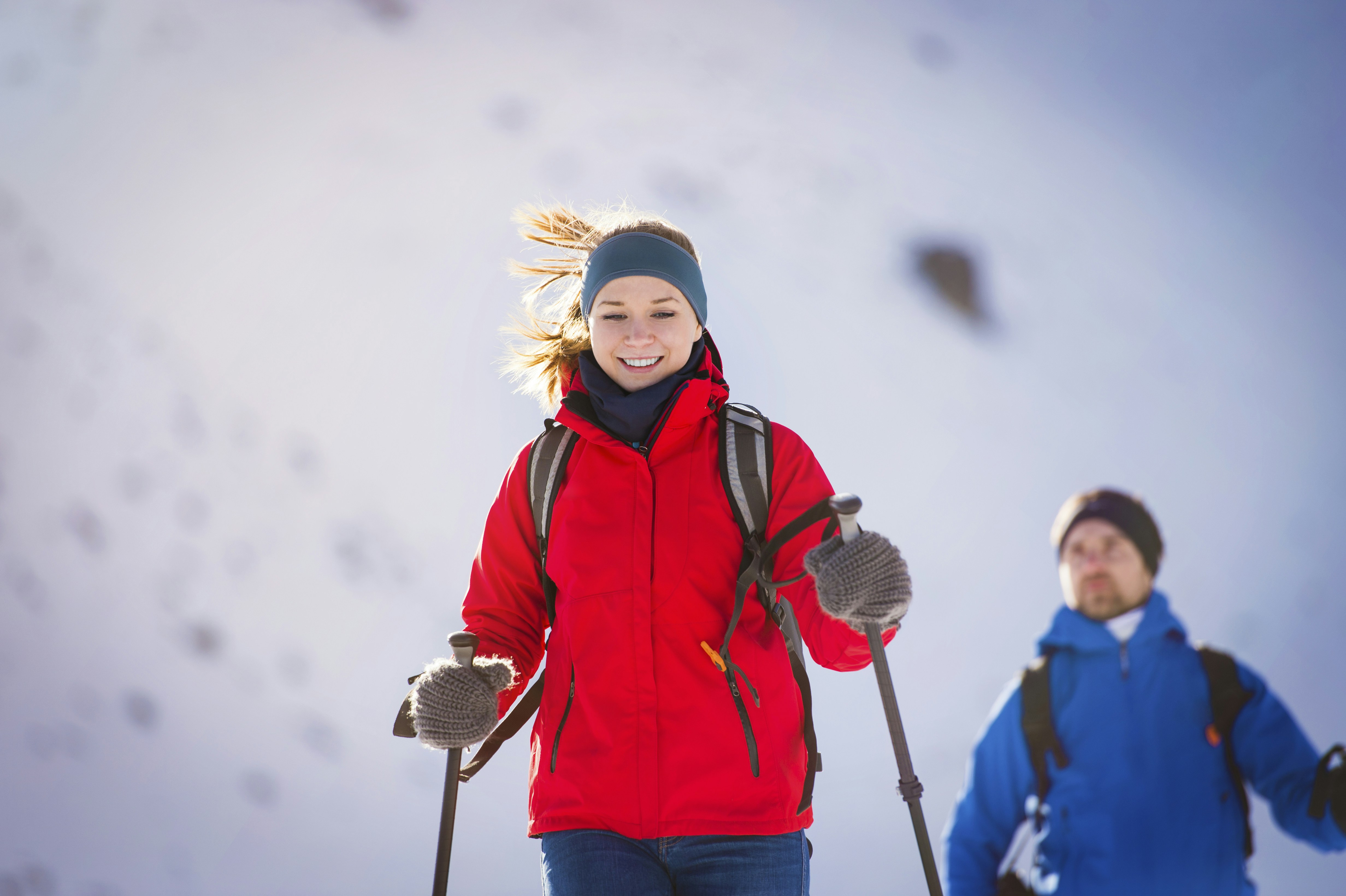
A school ski trip is one of the most exciting adventures a student can take. It’s a chance to build confidence, resilience, and teamwork against the breathtaking backdrop of the Alps.
For teachers, group leaders, and parents, the number one priority is making sure that everyone returns safe and sound. We understand that concern. Safety should be a top priority and the foundation of every school ski trip that you plan.
In this blog, we will go over some essential safety tips for skiing and planning, designed to give you total peace of mind and to reassure parents that their child’s school ski trip is in expert hands. From the moment you book to the minute you land back home, here is your definitive guide to keeping your group safe on the mountain.
Safety tips before the ski trip departure
A safe school ski trip begins with preparation. While teachers and group leaders will be doing their fair share of prep, students can also prepare themselves both mentally and physically. Getting ready at home is an exciting part of the experience and a significant step in preventing injuries once you reach the slopes.
Getting physically ready
Skiing and snowboarding are much more demanding sports than many people realise. They use muscle groups, like your core, quads, and hamstrings, in different ways compared to other traditional sports. Skiing and snowboarding require sustained isometric contractions, which means muscles are activated to hold a pose and maintain stability without changing their length. Students also need to keep engaging their core and lower body in constant eccentric (lengthening) movements to absorb bumps and turns.
Fatigue can be one of the biggest causes of accidents on the mountain. For this reason, it is a good idea for students to boost their general fitness in the weeks leading up to the trip. This doesn't mean gruelling gym sessions! Simple activities like running, cycling, or doing bodyweight exercises (squats and lunges) will improve strength and stamina.
Focusing on flexibility and balance will help students recover faster, reduce muscle soreness, and make those inevitable tumbles on the snow much safer. Investing this time means the student will enjoy more of the mountain and spend less time resting sore muscles.
Protecting students against the elements
While safety equipment for skiing, such as helmets, skis, and boots, is provided on an NST Ski trip, parents and students are responsible for bringing essential personal items that keep students comfortable and protected from the elements.
The most important non-ski items are layering clothes. Students need thermal base layers to keep moisture away and intermediate fleece layers for warmth. This combination helps regulate body temperature, preventing chills and overheating.
Secondly, sun protection is still important even in cold conditions. The sun's reflection off the snow is powerful at high altitudes. Students should bring high-quality, UV-rated goggles and apply high-SPF sunscreen and lip balm every morning, even if it looks cloudy.
Finally, waterproof gloves and quality ski socks are needed to prevent painfully cold hands and blisters, which can quickly take a student off the mountain. This preparation is key to a fun and safe student ski trip.
Safety equipment for skiing
The correct safety gear for skiing goes beyond just clothing. It is the most fundamental layer of defence during school ski trips. Understanding how each piece of equipment protects the student is one of the most important safety tips. High-quality, correctly fitted gear can drastically reduce the risk of serious injury.
Helmets and bindings
Two items are non-negotiable for student safety: a helmet and ski bindings. Helmets are mandatory on all reputable ski school trips and are essential for protecting against head injuries.
While a helmet can't prevent every concussion, it is proven to reduce the severity of head trauma, especially in low-speed falls or impacts with snow, ice, or trees. It must fit snugly! In fact, a loose helmet can actually worsen an injury, which is why professional fitting upon arrival is needed.
Equally critical are the ski bindings. These are the devices that connect the ski boot to the ski. Bindings are sophisticated pieces of safety equipment for skiing designed to release the boot during a fall, particularly backward twisting falls that commonly cause severe knee and ligament injuries, such as ACL tears.
The bindings must be set by qualified resort technicians, using the student’s specific weight, height, age, and ability level. If the release setting (the DIN number) is too high, the ski won't detach when needed, increasing the risk of serious injury.
Eye protection and ski-specific apparel
Beyond the major protective items, ski-specific apparel plays a massive role in maintaining student safety and comfort throughout the day. Goggles are a must on the slopes. They protect the eyes from wind, snow, and, most importantly, the sun's powerful UV rays. Snow glare is intense at altitude, and eye protection prevents snow blindness and long-term eye damage, ensuring the student maintains clear visibility, which is a key safety tip for skiing.
Finally, proper technical layering prevents students from getting dangerously cold or overly fatigued. Good skiing safety equipment includes waterproof outerwear and wicking thermal layers. These layers work together to keep the student dry (by keeping sweat away from the body) and warm, preventing the onset of hypothermia or frostbite, which can occur surprisingly quickly if clothing becomes wet and temperatures drop.
On-slope safety tips for skiing
Once your students are clipped into their skis on the snow, the safety protocols don’t stop. All students must be thoroughly briefed on the safety tips for skiing defined by the FIS (International Ski Federation) "Ten Rules of Conduct." Understanding these rules helps students stay safe, ensuring that everyone shares the responsibility for a safe mountain environment.
The skier's responsibility code
The most important rule is control of speed and style. Students must learn to ski or snowboard on sight, meaning they must always move in control and adapt their speed to their personal ability, the terrain, the weather, and traffic on the slope.
They must be able to stop or avoid people or objects at any time. This directly relates to the second rule: the person ahead has the right of way. It is the responsibility of the person behind (the downhill skier) to choose their route in such a way that they do not endanger the skier in front.
When stopping, students must always follow the rule of stopping safely. They should never stop in the middle of a piste or where they are not visible from above, such as over the brow of a hill or in narrow places. If a stop is necessary, they must move to the edge of the run immediately.
Similarly, when starting again after a stop or entering a marked run, they must look uphill and downhill to ensure they do so without endangering themselves or others.
The importance of expert tuition
Students should generally only ski under the direct supervision of a qualified, certified instructor or an accompanying staff member until they have learned to go down a slope successfully. Instructors are best equipped to teach proper technique, how to fall safely, and to judge when students are ready to move on to more challenging terrain.
Remind students that they must know their limits. Skiing and snowboarding are physically demanding, and injuries are statistically more likely once fatigue sets in. Group leaders must schedule frequent breaks, encourage proper hydration, and be prepared to call it a day before exhaustion leads to poor judgment and increased risk of injury and accidents on the school ski trips.
Supervision and communication on student ski trips
Effective supervision is the backbone of safe student ski trips. It requires clear rules, excellent communication tools, and an emergency action plan. Being prepared for moments when the group may be separated is a key element of risk management.
Here are some ways to ensure your students stay safe even when separated from the main group.
The buddy system and roll call
A buddy system should be introduced upon arrival at the ski resort. Students must be assigned a partner of similar skill level and instructed to stay together at all times, both on the slopes and during supervised free time in the resort.
A rigorous sign-in and sign-out protocol must back up this system. Group leaders or teachers should conduct a formal roll call at every transition point: before getting on the coach, before and after lessons, before meals, and at the evening curfew.
Communication tools and emergency procedures
Clear communication is another non-negotiable on a school ski trip. Before travelling, every staff member must be familiar with the emergency action plan (EAP). This includes the local mountain rescue number, the tour operator's 24/7 emergency line, and clear steps to take in case of an accident.
When an accident occurs, one person should remain with the injured student while two others seek help from the ski patrol. Quick and accurate reporting of the location and nature of the injury is crucial for a fast response.
Beyond the slopes: Safety in the resort and accommodation
Safety extends beyond the marked pistes and into the accommodation and local village environment. Injuries can still occur when students are not skiing, typically from slips and falls on ice or through unsupervised activity. So group leaders and teachers should be vigilant at all times, on and off the ski slopes.
Accommodation and evening curfew
Upon arrival, group leaders must brief students on safety unique to the accommodation: keeping rooms locked, never leaving keys inside, and understanding fire evacuation procedures (conduct a fire drill on arrival).
If the hotel has a swimming pool, safety must be strictly enforced. You must verify local standards and lifeguard cover; if no lifeguard is present, the group leader must ensure appropriate, qualified supervision is provided.
Establish a clear curfew and remind the students of it regularly. Inform the students that they are ambassadors for their school and must maintain high standards of behaviour in and around the hotel.
Managing risks during travel to and from the ski resort
Even travel presents risks. Staff must be briefed on safe disembarkation procedures in high-traffic or icy areas when using coaches or ski buses. Be aware of the hazards around ski resort accommodation, such as slippery walkways, hanging icicles, and traffic risks.
Finally, when planning evening activities, whether a bowling trip or a pizza night, conduct a mini-risk assessment for the journey and the venue itself. Providing high-quality, pre-planned après-ski activities eliminates the risk of students wandering unsupervised.
Ready to plan your safe and unforgettable school ski trip?
By prioritising these safety tips for school skiing trips and partnering with an accredited operator like NST, you can deliver an incredible, life-changing experience for your students. Here at NST, we handle the safety and offer 24/7 support so you can focus on enjoying the mountain.
Whether you're exploring the wide, easy slopes of the Austrian Alps, the challenging terrain of the French Alps, or enjoying the unique culture of the Italian Alps, we have the perfect resort for your group.
Are you ready to discover the perfect destination for your next student ski trip? Request a quote or get in touch with us today to start planning your next ski adventure.