



Everything a student needs to know before their first school ski trip
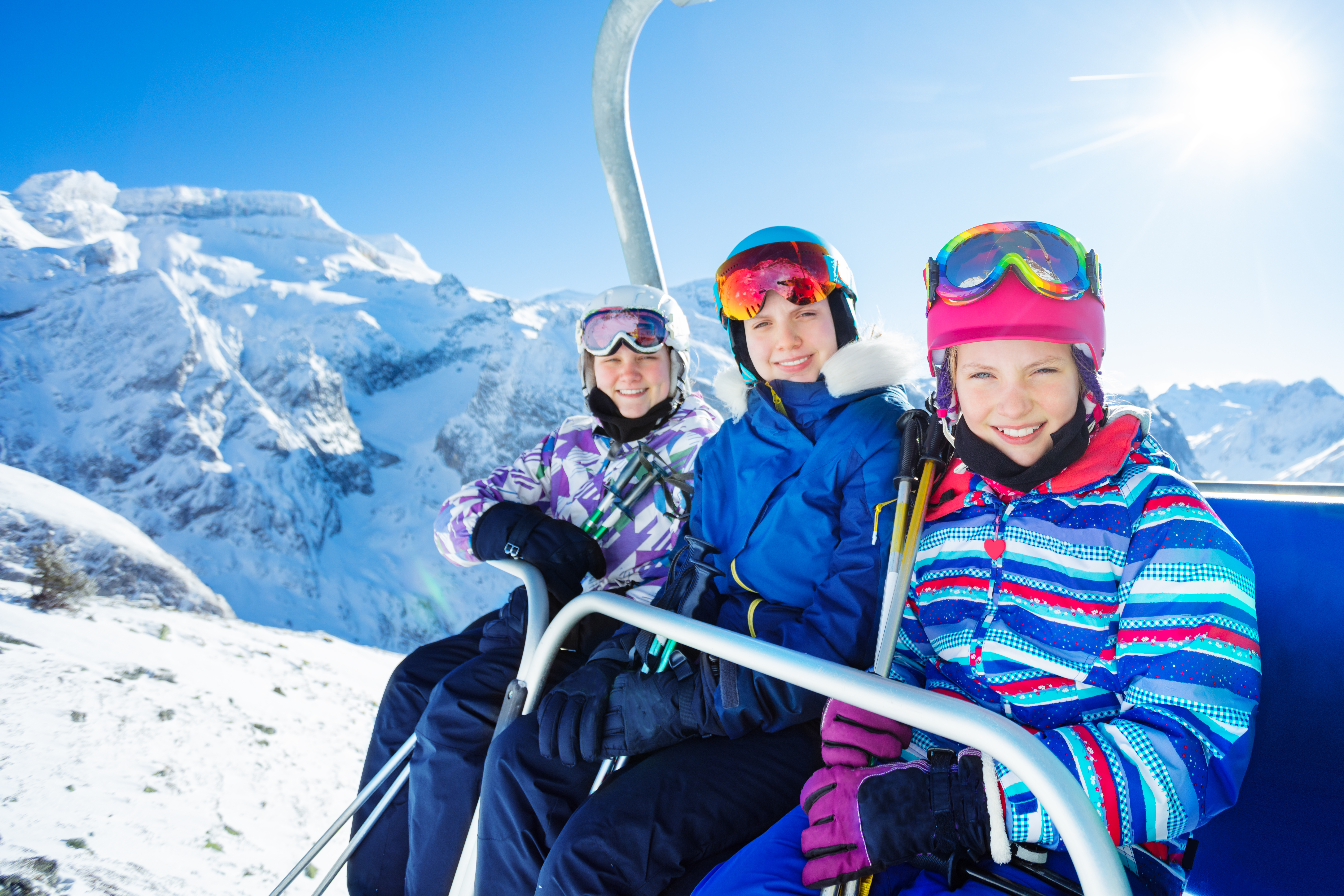
Heading off on a student ski trip is one of the most exciting experiences of a child's school career. For many, it's the first time seeing real mountains, trying a snow sport, or even travelling without family. It’s normal for students to feel a mix of excitement and nerves, but it’s nothing to worry about. With the right preparation, they will be gliding down the slopes in no time.
In this blog, we will go over some of the tips for a student's first-time ski trip, covering everything from what to pack to what to expect from your lessons and some great après-ski ideas. Getting ready is half the fun, and knowing what’s ahead will make sure your student ski trip is safe, fun, and unforgettable.
Start by doing some research on your ski resort
One of the best tips for a first-time ski trip is learning how to "read" the mountain. Ski resorts can look complicated, but they are highly organised places designed to get you safely from the bottom to the top and back down again. Understanding the layout of your ski destination is key to feeling confident. Whether you are heading to the vast linked slopes of the French Alps or a charming Austrian peak, the system is the same.
The village and the slopes
Resorts like Les Arcs in France or Zell am See in Austria often have a main village that acts as the hub for your students. This is where your hotel, a few little shops, and perhaps the main gondola can be found. The slopes themselves are often organised into different mountains or valleys, linked by lifts and runs.
When you arrive, your group leader or ski representative will often show you around the resort, highlight the main meeting points, the location of your ski school, and the quickest, safest route between your accommodation and the slopes. Always pay close attention to when the lifts close each evening so you don't get stranded.
For a safe school ski trip, knowing the basic geography of your resort is almost as important as knowing how to stop when going down the slopes. Getting familiar with the village also makes the evening excursions much easier to navigate without the risk of getting lost.
Understanding the colours and signs
All ski resorts use a simple colour-coded system to mark their runs, or pistes. In most cases, you’ll be given a piste map, which looks like a road map for the mountain. It’s essential that you and your students know what the colours mean and how to read these maps. This is the best way to understand which slopes you should be trying to go down, and which ones you should probably avoid until you have more experience.
Here is a breakdown of the colours and what they mean:
- Green runs: The easiest and flattest runs. These are often used for beginner practice areas or connecting routes between different zones. If you are learning, this is your happy place.
- Blue runs: Easy runs, usually wide and well-groomed. This is where most students on a ski school trip will spend their time after the first few days of lessons, practising smooth turns and building speed comfortably.
- Red runs: Intermediate runs. They are steeper and often narrower than blue runs, requiring more technique and control. The instructor will only take the students here when they are proficient and feeling confident on blues.
- Black runs: Advanced runs. These are very steep, often bumpy, and only for expert skiers. Students should never attempt a black run unless their instructor specifically tells them they can and are accompanied by an adult.
Always respect any rope barriers, fences, or signs marked with an 'X' or 'Closed'. These signs indicate that the run is dangerous due to weather conditions or is closed for maintenance, and that skiing on them is prohibited for your students' safety.
Packing tips for first-time ski trips
Knowing what to pack for your child's first ski trip will save you from the anxiety of wondering if they have everything when they get to the resort. Remember, usually the tour provider offer the heavy equipment (skis, boots, helmets), but you need to bring everything else. Double-check with the trip coordinator what students need to pack and what the resort will provide.
Layers that keep students safe and warm
Adequate clothing for skiing can be organised into three specific layers designed to work together to protect the students from the mountain environment:
- Base layer (The skin layer): This layer should be made of technical materials, such as merino wool. These fabrics sit next to your skin and actively wick sweat away from your body. Make sure they do not wear cotton (like cotton t-shirts or jogging bottoms) under their ski gear. Cotton absorbs moisture and will instantly make them feel freezing cold once they stop moving.
- Mid-layer (The warmth layer): This is usually a fleece or light thermal jacket. This layer traps warm air close to your body. The great thing about the mid-layer is that the students can put it on or take it off depending on the weather conditions or how hard they are working.
- Outer layer (The protection layer): This is the waterproof, windproof ski jacket and trousers. This layer provides a barrier against the snow, wind chill, and moisture. Make sure your students' jackets have waterproof zippers and do not have hoods, to prevent snow from piling up in the hood and moisture from getting into the mid and base layers.
Additional accessories for a ski school trip
Beyond the core layers that will keep the students warm and dry, there are a few small items that will improve their overall enjoyment and can further enhance their safety on the slopes. Again, it is crucial to check whether your students will need to provide these accessories or whether they will be included in what is supplied by the resort.
- Goggles: They are not just for looking cool! They protect your eyes from wind, flying snow, and, most importantly, the sun's powerful UV rays, which are magnified by the bright white snow.
- Sunscreen: Apply high-SPF sunscreen (at least SPF 30) to your face every single morning, even if it looks cloudy. The UV rays are incredibly strong at altitude.
- Gloves and socks: They will need thick, waterproof gloves and specific ski socks. Pack several pairs of socks and change them daily, as nothing will make a student more miserable on a mountain than wet or blistered feet.
Staying safe while on a student ski trip
Safety is the foundation of fun. Every successful ski school trip follows clear rules, known as the Skier’s Responsibility Code. These are the core safety tips for skiing that every student must memorise. If you would like more information on how to ensure student safety, give our blog post on tips for safe school ski trips a read. For now, though, here are some basic guidelines to follow:
Follow The Skier's Responsibility Code
The most important thing to remember on the slopes is control and awareness. Students are always in charge of their skis or snowboard, and they must be able to stop or steer around anyone and anything at any moment. A key part of this is being considerate. Keep in mind that people ahead have the right of way. It’s your job to look out for them and avoid them, as they can't see you coming. If you need to stop, always move completely to the side of the trail so people can easily see you from above. You should never stop right in the middle or just over a bump.
Next, before you start zooming downhill or enter a trail from the side, you must look uphill to make sure the coast is clear. Also, always take care of your gear. You are responsible for preventing runaway equipment, so make sure your skis are properly secured when you take them off.
Just as in your classroom, there are rules for students on the slopes, usually posted in signs. Students must read and obey all signs, warnings, and markings. If an area is roped off or marked "Closed," they should stay out! It’s closed for a good reason, usually your safety, due to bad weather conditions or general maintenance.
Finally, know the safety protocols around the lifts and incidents. You must know how to safely load, ride, and unload all lifts, because it can be dangerous if you fall before you get on, while you’re riding, and as you get off a ski lift. If you are unsure or need a hand, just ask the friendly lift attendant for help.
How students will learn to ski on a school ski trip
Any reputable school ski trip will include lessons by a qualified ski instructor. These instructors are the experts who hold the keys to a safe and fun week for the students. Knowing who they are and what they do will put their minds at ease, as they will feel more comfortable and relaxed knowing they are in safe hands.
Get to know your instructors
The instructors will usually meet you right at the start of your trip. They often speak fluent English and specialise in teaching student groups. They are trained not just to teach your students technique, but also to be safe on the slopes.
They know the slopes best, how to judge snow conditions, and how quickly they can push your student group while keeping everyone safe. They are responsible for your group throughout the lesson time, so listen carefully, trust their judgment, and never try to ski off on your own.
An example of a ski lesson plan for students
The first few days of lessons focus entirely on safety and control. For a first-time ski trip, students will learn the snowplough (or "pizza wedge") technique, which controls their speed and is the most essential skill they will learn, as it is the technique that they will use to slow down and come to a safe stop.
They will start on the flat nursery slopes, then move to gentle blue runs. Instructors will use equipment like short skis (smaller skis which are easier to control, more manoeuvrable, and more forgiving than long skis) to help them get the hang of turning faster.
Progression is the goal! So students must be patient with themselves. It’s normal to fall, and their instructor will show them the safest way to get back up. By Day 3 or 4, most students feel confident enough to explore wide blue runs and truly enjoy their school ski trip.
What to do in the evenings after a full day of skiing
Your ski school trip isn't over when the lifts close. The evening activities, also known as Après-Ski (French for "after skiing"), are just as fun as the slopes and are a huge part of the experience.
Letting students know beforehand some of the fun things they will be getting up to in the evenings on their first ski trip can significantly increase their excitement and reduce any nerves.
Evening activities and entertainment
The evening is a chance to relax, socialise, and explore the resort atmosphere. Your trip will include a variety of pre-planned and supervised activities, which might include:
- Swimming: Many resorts have fantastic indoor pools or thermal spas (like those near Zell am See), where students can relax and soothe tired muscles.
- Fun and games: Bowling, ice skating, snow tubing, or a fun quiz night in the hotel are classic ways to unwind.
- Foodie nights: Everyone looks forward to a classic Italian pizza night, or perhaps a crepe night in France! These outings offer a taste of local culture and give you a chance to explore the village.
Are you ready to give your students the ski adventure of a lifetime?
By following these simple tips for a first-time ski trip and making sure your students are prepared, you eliminate a lot of the worry. You handle the fun part, watching your students conquer the slopes, and we handle the complex safety management and logistics. At NST, we believe that an unforgettable student ski trip should also be a completely effortless one for you as the teacher.
As experienced providers of school ski trips, we take pride in offering comprehensive, high-value packages that include everything from world-class tuition to verified, safe accommodation. Whether you dream of exploring the high-altitude runs on a French ski trip, the charming, traditional resorts and efficient lift systems on a school ski trip to Austria, or the excellent value and warm hospitality found on a school ski trip to Italy, we have the perfect itinerary for your group.
Ready to turn all these tips into a real-life adventure for your students? Get in touch with us today to speak to one of our dedicated ski experts or request a quote for your next unforgettable ski school trip!