
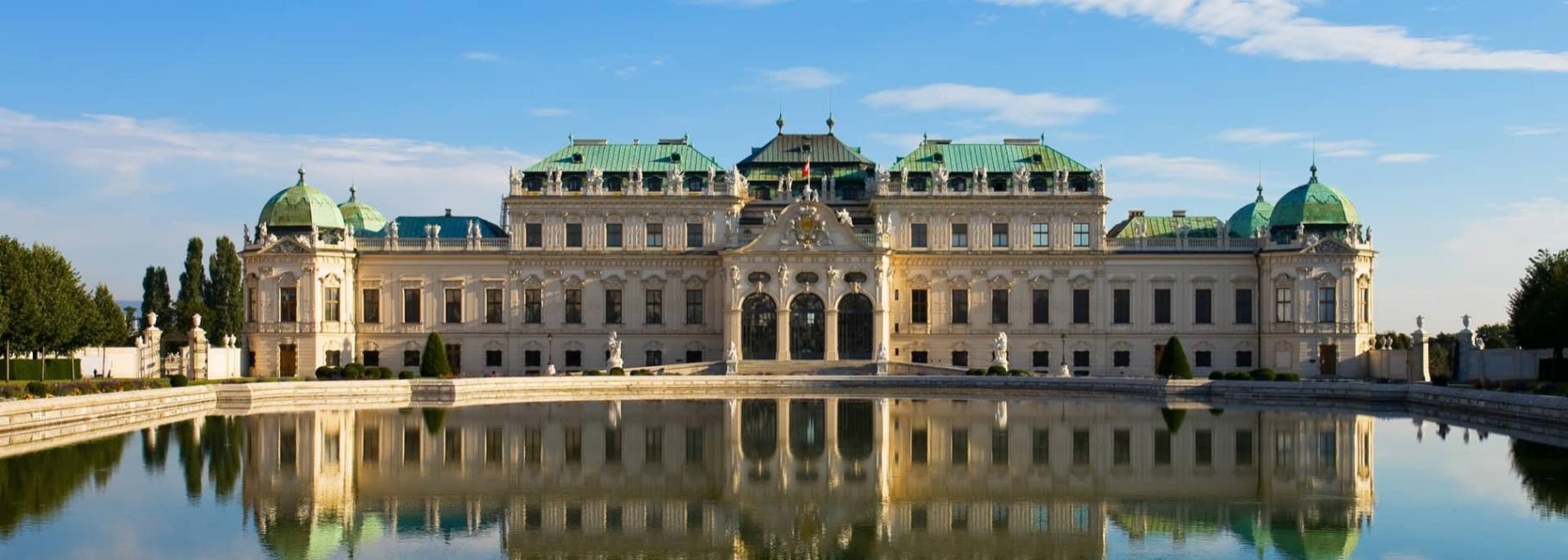

School Trips to Vienna
Discover years of history, music and psychology on a school trip to Vienna.
School trips to Vienna give students the chance to explore one of Europe's most fascinating capitals. From imperial palaces and historic squares to the birthplace of modern psychology, the city is full of stories waiting to be discovered.
Whether your focus is history, psychology or music, Vienna offers memorable experiences that bring learning into focus. Students can follow in the footsteps of influential thinkers, uncover pivotal moments in European history and experience a city that continues to shape culture today.
What to expect on a school trip to Vienna?
Vienna combines culture, history and enrichment in a way few cities can. Students can explore grand architecture, world-famous museums and significant historical sites, all while experiencing everyday life in one of Europe's most beautiful capital cities.
Every visit offers a chance to connect classroom learning to real places, people and events.
Our Vienna school trip highlights
Some highlights include:
- Schönbrunn Palace – discover the former home of the Habsburg dynasty
- St Stephen's Cathedral – one of Austria's most iconic landmarks
- Sigmund Freud Museum – explore the life and work of the founder of psychoanalysis
- Vienna Walking Tour – uncover the city's rich history and cultural heritage
- Leopoldstadt & Judenplatz – gain insight into Vienna's Jewish history
- Museum of Austrian Resistance – explore Austria's experience of World War II
- Classical music experiences – discover the city that shaped Mozart, Beethoven and Strauss
Why book a school trip to Vienna with NST?
No two groups are the same. That's why every NST itinerary is built around your curriculum, learning objectives and budget.
Our Educational Travel Experts will work with you to create the right mix of visits and experiences. Need a quote quickly? We're known for our responsive service and fast turnaround times, helping you move from idea to itinerary with ease.
From your first conversation to your return home, we're here to make planning straightforward and ensure your students get the most from their time in Vienna.
Browse our most popular Vienna school trips
Why choose NST?
Here's why thousands of teachers choose NST each year...
- Unrivalled school trip knowledge
Your dedicated Tour Co-ordinator will use their trip planning knowledge and expertise to create a tailor-made, curriculum-linked itinerary to meet your group’s exact needs.
- Making it easier for you
Your own trip organiser, travel app, free classroom packs and trip promo resources.
- Free group leader inspection visits
Visit your chosen destination free of charge and plan with confidence.
- Value for money, always
We work hard to make every penny count.
- Over 55 years’ experience
With NST you can rest assured that your group is in safe hands.
- Aligned to your learning outcomes
Every trip can be built around your specific goals — from the latest GCSE and A level curriculum requirements to particular themes, interests or visits you want to focus on.
- Risk assessment guidance
Clear, practical support to help you manage group safety including our free guide.
- Carbon Mitigation
Through our partnership with Carbon Footprint, we're committed to offset one tonne of CO2 emissions, and plant a tree on school grounds in the UK, for every trip booked. Find out more here.
Vienna highlights - our groups love...
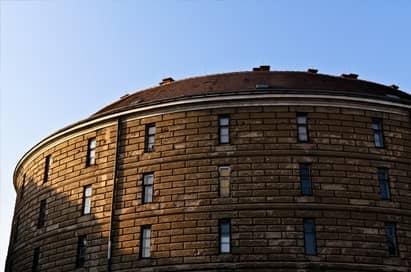
Narrenturm (Fool’s Tower)
Built in 1784, Narrenturm is Europe’s oldest building for the accommodation of mental patients. Its construction pointed to a new attitude towards the mentally ill – who began to be distinguished from the rest of society.
Enjoy a fascinating one-hour guided tour covering the history of the Narrenturm, now home to the Federal Pathologic-Anatomical Museum. The guided tour consists of information about the building’s time as a mental hospital and a walk through the fascinating pathological exhibits.
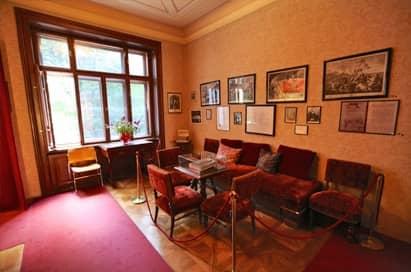
Sigmund Freud Museum
Take a guided tour of Sigmund Freud’s former apartment and office, where you will see an exhibition documenting the life and work of the founder of psychoanalysis, as well as original furnishings, articles of daily use and antiquities from Freud’s collection. You will enter the rooms where new science was created and where Freud and his family spent 47 years from 1891 until 1938, when on 4th June, he was forced by the National Socialists to flee with his family into exile in England.
Original furnishings, including the waiting room, a selection from Freud’s collection of antiquities, and signed copies and first editions of his works provide a glimpse into Freud's biography, his cultural environment and the development of psychoanalysis. Unique film material showing the Freud family in the 1930s, is shown in a video room with a commentary by his daughter, Anna Freud.

Judenplatz Museum & Synagogue Jewish Museum
The Judenplatz Museum provides visitors with an insight into Jewish life in medieval Vienna. Contained within the museum are the remains of a synagogue destroyed by fire in the 15th century, plus other exhibits relating to the Jewish religious and cultural life of the period.
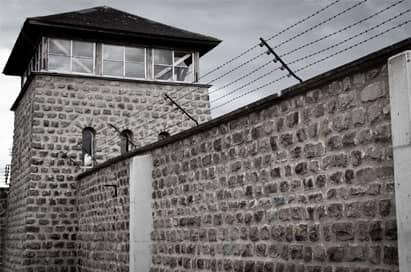
Mauthausen Concentration Camp
Travelling by coach, groups can make the two-hour journey to visit this camp that was established August 1938 and where 100,000 people lost their lives. It was built by the SS to establish a concentration camp for men, in preparation for the impending war. The camp fulfilled two functions: to restrain opponents of Nazism by interning, torturing and killing them and also to exploit their labour to the utmost. Mauthausen was the only category III concentration camp in Austria, the classification with the most brutal detention conditions.
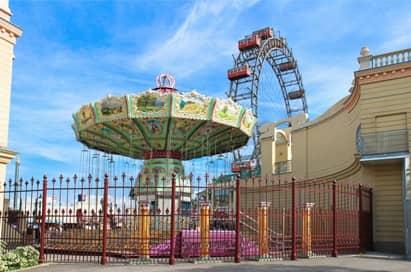
Riesenrad 'Prater Park'
An ideal way to end a day! The ‘Prater Park’ is home to many rides, including the Reisenrad, which was once the largest Ferris wheel in the world. The park is open for visitors and all the rides and attractions are individually priced. A ride on the Reisenrad is highly recommended for unique views of Vienna.
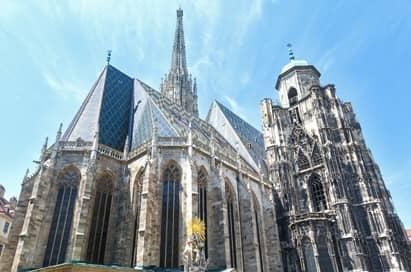
St Stephen’s Cathedral
This impressive cathedral, with its multi-coloured tiled roof is one of the city’s most recognisable symbols. Groups can perform at midday or morning mass, followed by a short recital.
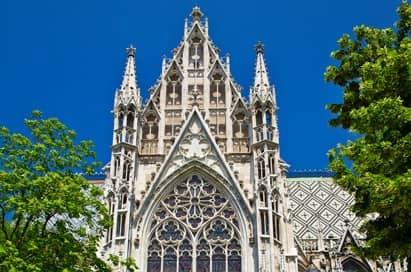
Votivkirche
One of Vienna’s most prestigious churches and a fabulous example of neo-gothic architecture. Performances at mass or concerts can be arranged.
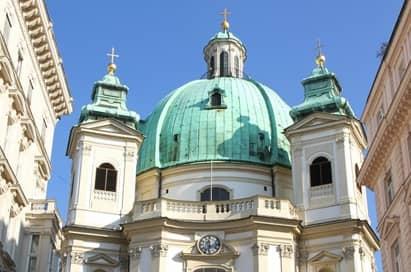
St Peter’s Church
Choirs and small instrumental groups can perform a concert or sing during a mass service in this beautiful Baroque church located in the heart of the city.
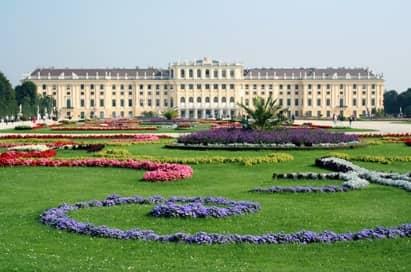
Schönbrunn Palace
Groups can give a 45-minute performance on the steps of the main entrance to this famous palace as part of ‘Voices of the World’ festival.
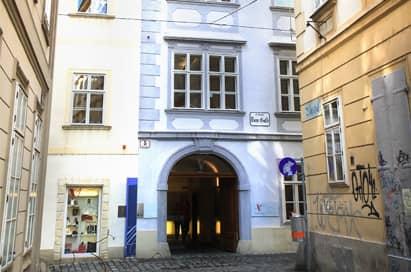
Mozarthaus Vienna
Take either an English audio tour or a tailored guided tour of the ‘genius’ Mozart’s apartment in Vienna and four exhibition floors. Student groups are provided with comprehensive information on Mozart’s years in Vienna, which marked the high point in his creativity. Visitors can find out about the times in which Mozart lived and his most important works. Inside the apartment they may get an impression of how the Mozart family spent their lives.